

Can older teeth be straightened?
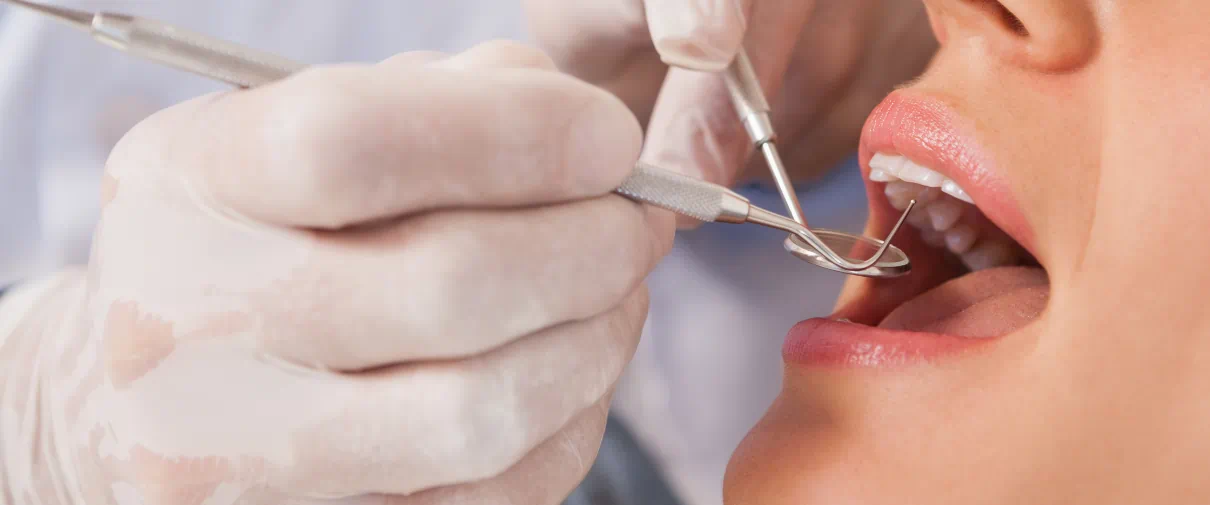
Straightening teeth is not just for teenagers, and the idea that orthodontic treatment has an age limit is one of the most persistent myths in dentistry. Whether you are in your forties, sixties, or beyond, the answer to “can older teeth be straightened?” is a straightforward yes, provided your gums and underlying bone are in reasonable health.
What Is the Best Teeth Straightening Option for Older Adults?
The most suitable treatment depends on the complexity of your misalignment, your lifestyle, and your budget. For adults who want a discreet solution with minimal disruption to daily life, clear aligners such as Invisalign are consistently the most popular choice, followed closely by fixed ceramic braces for cases that require more precise control.
Lingual braces, which are fitted to the back surface of the teeth, are another option that offers near-invisibility, though they tend to carry a higher price tag. Your orthodontist or dentist will assess the degree of crowding, spacing, or bite issues before recommending a specific treatment, so a consultation is always the essential starting point.
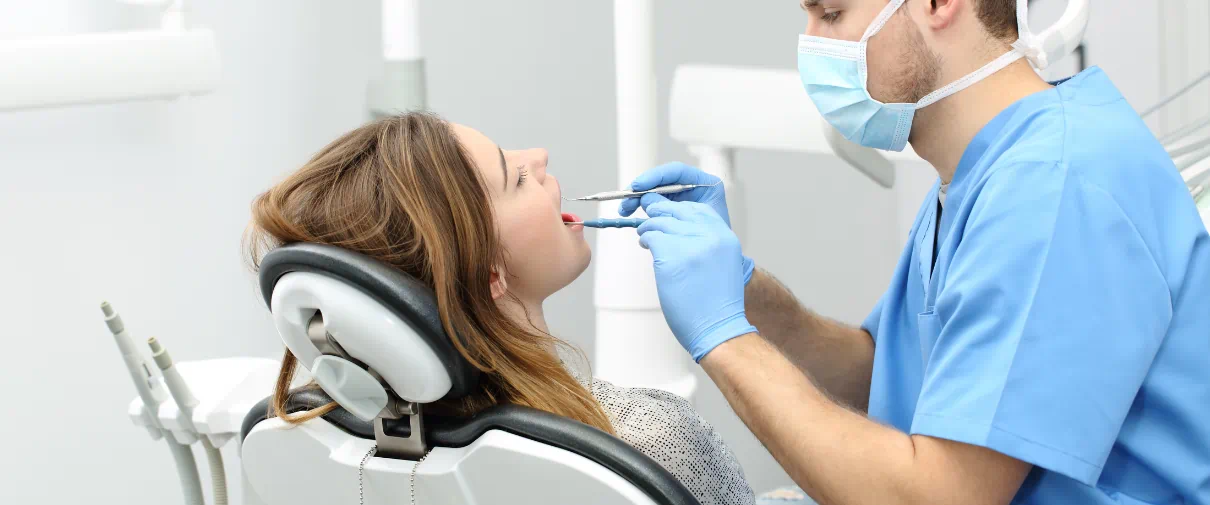
Looking for some support with Cosmetic Dentistry? Speak with one of our Cosmetic Dentistry Professionals here
Why Are My Teeth Getting Crooked as I Get Older?
Teeth shift throughout life, and this is a normal biological process rather than a sign that something has gone seriously wrong. As we age, the jawbone gradually loses density and the ligaments that hold teeth in place loosen slightly, which creates the conditions for natural drift and crowding, particularly in the lower front teeth.
Gum recession, tooth loss, and years of grinding or clenching can also accelerate the shifting process. Many adults who had braces in their youth notice their teeth moving again if they stopped wearing a retainer, because without that nightly support, teeth have a strong tendency to return toward their original positions over time.
How Age Affects Orthodontic Treatment: What to Expect
Treatment timelines for adults are often slightly longer than for teenagers, primarily because adult bone tissue is denser and teeth move more slowly through it. This does not mean results are any less achievable; it simply means that patience is a more important factor in the adult orthodontic journey.
Adults are also more likely to have existing dental work such as crowns, bridges, or implants, which can complicate treatment planning. Your orthodontist will factor these elements in from the start, and in some cases a restorative dentist may need to be involved alongside the orthodontic team to ensure the best outcome.
| Treatment Type | Average Duration (Adults) | Approximate UK Cost Range | Visibility |
|---|---|---|---|
| Metal Braces | 18 to 24 months | £1,500 to £3,000 | High |
| Ceramic Braces | 18 to 24 months | £2,000 to £4,000 | Medium |
| Invisalign (Clear Aligners) | 12 to 24 months | £2,000 to £5,500 | Low |
| Lingual Braces | 18 to 36 months | £4,000 to £10,000 | Very Low |
| Fixed Retainer | Ongoing | £150 to £500 | Very Low |
Should a 70-Year-Old Get Invisalign?
Age alone is not a barrier to Invisalign, and many patients in their sixties, seventies, and even eighties have completed successful treatment. The determining factors are oral health rather than the number on a birthday card; healthy gums, sufficient bone density, and a commitment to wearing the aligners for the recommended 20 to 22 hours per day are what matter most.
That said, older adults are more likely to have conditions such as gum disease, dry mouth, or significant tooth wear that need addressing before orthodontic treatment can begin. The NHS does not routinely fund Invisalign for cosmetic purposes, so most adults pursue this privately, and you can find general guidance on dental health for older people through the NHS dental health pages.
Factors That Determine Whether You Are a Suitable Candidate
The single most important factor in adult orthodontic eligibility is the health of your periodontal tissue, which means your gums and the bone that anchors your teeth. Active gum disease must be treated and stabilised before any orthodontic work begins, as moving teeth through inflamed tissue can cause permanent damage.
Beyond gum health, your dentist will also consider overall bite function, the number of natural teeth you have remaining, and whether any existing restorations are stable. Once these foundations are confirmed as sound, the majority of adults are suitable candidates for some form of teeth straightening treatment.
| Age Group | Key Considerations | Common Treatment Recommendations |
|---|---|---|
| 30s to 40s | Bone still relatively dense; faster movement | Invisalign, ceramic braces, metal braces |
| 50s to 60s | Gum health more critical; slower movement | Invisalign, ceramic braces, lingual braces |
| 70 and above | Bone density key; existing dental work common | Invisalign (mild to moderate cases), ceramic braces |
| Any Adult Age | Active gum disease must be resolved first | Treatment deferred until periodontal health restored |
For regulation of dental professionals and treatment standards in the UK, the General Dental Council provides a register of qualified practitioners and information on your rights as a patient. Additionally, the NHS Business Services Authority outlines current NHS dental charge bands, which may be relevant if any preliminary restorative treatment is needed before orthodontics begins.
Is It Worth Getting Your Teeth Straightened as an Adult?
For most people, the answer is yes, and the benefits extend well beyond aesthetics. Straighter teeth are generally easier to clean, which reduces the long-term risk of gum disease and tooth decay, both of which become more consequential as we get older and natural repair processes slow down.
The psychological benefit should also not be underestimated. Research consistently shows that confidence in one’s smile has a meaningful impact on social interactions and self-esteem, and many adults report that completing orthodontic treatment in later life is one of the most positive decisions they made for their overall wellbeing.
Can Older Teeth Really Be Straightened? A Final Verdict
The evidence is clear: age is not a disqualifier for orthodontic treatment, and adults of all ages are successfully straightening their teeth every day across the UK. What matters is not how old you are but whether your oral health provides the stable foundation that effective tooth movement requires.
If you have been putting off treatment because you assumed you were too old, the most useful thing you can do right now is book a consultation with a registered orthodontist. They can assess your specific situation, explain which options are appropriate, and give you a realistic picture of timelines and costs based on your individual needs.
The UK orthodontic market has expanded significantly in recent years, with more accessible pricing, more discreet options, and greater awareness of adult treatment than ever before. Whether your goal is purely cosmetic or tied to improving your dental health and function, straightening older teeth is an achievable, evidence-backed objective.
Need some Cosmetic Dentistry? Take a look at our Professional Cosmetic Dentistry Services Today
Can Older Teeth Be Straightened? Frequently Asked Questions
Is there an age limit for getting braces or aligners?
There is no upper age limit for orthodontic treatment in adults, as teeth can be moved at any age provided the surrounding gum and bone tissue is healthy. Age itself is not a contraindication; individual oral health status is the deciding factor
How long does teeth straightening take for older adults?
Treatment typically takes between 12 and 24 months for most adult cases, though more complex situations may extend beyond this. Adults generally experience slightly slower tooth movement than teenagers due to denser bone tissue.
Does the NHS cover teeth straightening for adults?
The NHS funds orthodontic treatment for under-18s in most cases, but adult orthodontic treatment is almost always self-funded as it is considered cosmetic. You can find more detail on NHS dental charging at the NHS dental charges page.
Can gum disease stop me from getting Invisalign?
Active gum disease must be fully treated and stable before any orthodontic treatment can begin, including Invisalign. Once your periodontist or dentist confirms your gums are healthy, you can typically proceed with treatment planning.
Why have my teeth shifted even though I had braces as a teenager?
Teeth naturally drift throughout life, and without a retainer worn consistently after braces are removed, this movement is almost inevitable over the long term. Many adults seek re-treatment as adults specifically because they stopped wearing their retainer years after completing teenage orthodontics.
What is teeth straightening and how does it work?
Teeth straightening is the process of using controlled, consistent pressure to gradually move teeth into a more aligned position over time. For a broader understanding of the topic, the Wikipedia page on orthodontics provides a useful overview of the history, methods, and science behind the field.
Is Invisalign more suitable than braces for older adults?
Invisalign is often preferred by older adults because it is removable, less visible, and does not interfere with existing dental restorations as significantly as fixed metal braces can. However, complex bite issues or severe crowding may still require fixed appliances for the best result.
Will straightening my teeth improve my oral health?
Straighter teeth are generally easier to brush and floss effectively, which reduces the accumulation of plaque in hard-to-reach overlapping areas. Over time, this can meaningfully lower the risk of gum disease and decay, making orthodontic treatment a health investment as well as an aesthetic one.
How much does adult teeth straightening cost in the UK?
Costs vary depending on the treatment type and case complexity, ranging from approximately £1,500 for standard metal braces up to £10,000 or more for lingual braces. Most providers offer payment plans to make treatment more financially accessible.
Can I get teeth straightened if I have crowns or implants?
Existing crowns and bridges can complicate treatment planning but do not automatically prevent orthodontic work. Implants cannot be moved by orthodontic forces as they fuse directly to the bone, so your orthodontist will plan around them accordingly.
What happens if I do not wear my retainer after treatment?
Teeth will begin to shift back toward their original positions if a retainer is not worn consistently after treatment completes. Most orthodontists recommend wearing a retainer nightly for life to maintain results permanently.
Are there any risks to straightening teeth later in life?
The main risks include root resorption, gum recession, and slower treatment progression, all of which are manageable with proper clinical oversight. Choosing a qualified, registered orthodontist significantly reduces the likelihood of complications.
Can a 70-year-old get braces on the NHS?
NHS orthodontic treatment for adults is extremely limited and is generally only available in exceptional clinical circumstances rather than for cosmetic alignment. Most adults in this situation pursue private treatment and should seek a consultation with a registered specialist.
How do I find a qualified orthodontist in the UK?
You can search the General Dental Council’s online register at gdc-uk.org to verify that a practitioner is registered and qualified to provide orthodontic treatment. Your GP or general dentist can also provide a referral to a local orthodontic specialist.